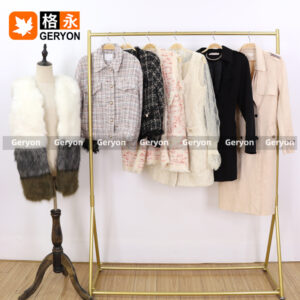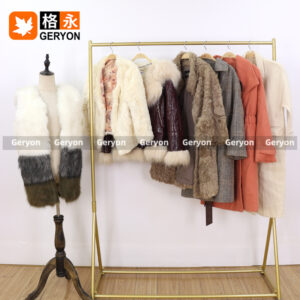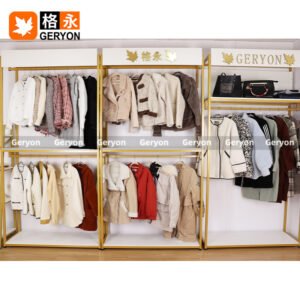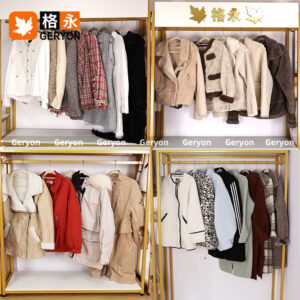
As a B2B importer, sourcing Japan used clothes can open up new avenues for business growth. Japan’s second-hand clothing market is known for its abundance of high-quality, well-preserved garments, making it a top destination for wholesale buyers. This article will guide you through the key aspects of importing Japan used clothes, including how to select suppliers, understand pricing structures, and navigate logistics—ensuring your business gets the best value from the Japanese market.
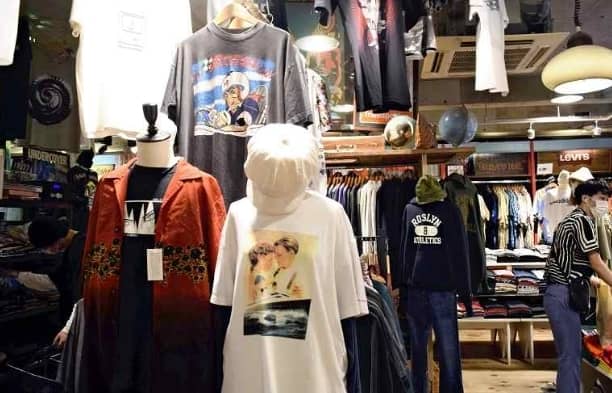
Table of Contents
1. Introduction: The Growing Appeal of Japan Used Clothes for B2B Importers
Japan used clothes have become increasingly popular among B2B importers looking for high-quality second-hand garments to meet the growing demand for sustainable fashion. The Japanese market offers a diverse selection of well-preserved clothing, often in near-new condition, which makes it an attractive source for wholesalers worldwide. With Japan’s reputation for quality and meticulous care in clothing production, importing Japan used clothes can significantly boost your business’s offerings, providing customers with premium second-hand apparel that is both stylish and durable.
Why Japan Used Clothes Are Gaining Popularity in the Global Market
The global demand for second-hand clothing has surged in recent years, with more consumers seeking sustainable alternatives to fast fashion. Japan used clothes are gaining popularity because of their exceptional quality and the country’s well-organized and regulated second-hand clothing market. Importers find that Japan used clothes offer an ideal balance of affordability and premium condition, making them a lucrative option for wholesalers who want to differentiate their product range and attract eco-conscious consumers.
2. Understanding the Japan Used Clothes Market
The Japan used clothes market is well-established, characterized by a high level of organization and attention to detail. In Japan, second-hand clothing is not only common but also highly valued. Local thrift stores, flea markets, and online platforms play a significant role in curating quality used garments, which are then exported worldwide. For B2B importers, understanding the unique dynamics of the Japanese market is essential to sourcing the best products and securing profitable deals.
Key Features of Japan’s Second-Hand Clothing Market
Japan’s second-hand clothing market is recognized for its attention to quality, cleanliness, and condition. Used clothes are carefully sorted, washed, and inspected before being sold. Many of the garments are from high-end brands, and there is a strong culture of keeping clothes in excellent condition. For importers, this means that Japan used clothes are often in near-new or gently worn condition, making them a reliable source of premium second-hand products.
Trends Driving the Demand for Japan Used Clothes
Several trends are contributing to the rising demand for Japan secondhand clothes. First, the growing global interest in sustainable fashion has led more consumers to seek out second-hand clothing. Japan’s meticulous sorting and grading process ensures that only the best-quality used clothes reach the market. Additionally, Japan’s fashion culture, which emphasizes quality and unique styles, has made Japanese second-hand clothing highly sought after in international markets.

3. Advantages of Importing Japan Used Clothes
Importing Japan used clothes offers a variety of advantages for B2B buyers, including access to high-quality garments at competitive prices. With the global push for sustainability, sourcing second-hand clothes from Japan aligns with eco-conscious consumer trends. Furthermore, the Japanese second-hand market provides a wide range of styles, from high-end designer labels to everyday fashion, making it suitable for different customer segments.
High Quality and Durability
One of the primary reasons why Japan used clothes are in high demand is their exceptional quality and durability. Japanese clothing is often made from premium materials, and the culture of garment care means that used clothes are typically well-maintained. For B2B importers, this means they can offer their customers high-quality, long-lasting garments, which can enhance their brand reputation and customer satisfaction.
Competitive Pricing and Diverse Product Options
Japan used clothes are available at a wide range of price points, offering excellent value for importers. Due to Japan’s efficient sorting system, buyers can access high-quality garments at competitive prices, ensuring profitability when reselling. Additionally, the variety of clothing styles—from casual wear to luxury items—provides importers with a diverse selection to cater to different market demands.
Sustainable Fashion Benefits
Incorporating Japan secondhand clothes into your product range can align your business with the growing demand for sustainable fashion. As consumers become more aware of the environmental impact of fast fashion, they are increasingly seeking out second-hand alternatives. By offering Japan used clothes, B2B importers can tap into this market trend while supporting sustainability efforts and reducing waste.
4. Top Importing Tips for B2B Buyers
Successfully importing Japan used clothes requires careful planning and an understanding of both the market dynamics and logistics involved. Importers need to focus on finding reliable suppliers, understanding the pricing structure, and ensuring smooth shipping and customs processes. In this section, we’ll discuss the top tips for navigating the Japan used clothes market and optimizing your import operations for success.
How to Find Reliable Suppliers in Japan
Finding trustworthy suppliers of Japan used clothes is crucial to ensuring the quality and consistency of your imports. Many B2B importers work directly with Japanese wholesalers or second-hand clothing exporters who specialize in curating large lots of used garments. It’s essential to conduct thorough research, request product samples, and establish clear communication with potential suppliers to verify their reliability and ensure they meet your business needs.
Understanding Pricing Structures and Negotiating Deals
Pricing in the Japan secondhand clothes market can vary based on factors such as garment quality, brand, and condition. Importers should familiarize themselves with the pricing structure, which often includes additional costs for sorting, grading, and shipping. Building strong relationships with suppliers can help secure favorable pricing and bulk discounts, allowing B2B buyers to maximize their profit margins when reselling the clothes.
Importing Logistics: Shipping and Customs Tips
When importing Japan used clothes, understanding the logistics of shipping and customs is essential. The shipping process from Japan is typically straightforward, but importers should be aware of potential delays, particularly during peak seasons. It’s also important to familiarize yourself with Japan’s export regulations and your own country’s import rules to avoid customs issues. Working with an experienced freight forwarder can help streamline the process and ensure timely delivery of your products.
5. Selecting the Best Japan Used Clothes for Your Business
To make the most of importing Japan used clothes, it’s essential to know how to select the best garments for your business. Whether you’re targeting high-end buyers or focusing on budget-conscious customers, choosing the right types of clothing and ensuring their quality will play a significant role in your success. In this section, we’ll explore the key categories and styles to focus on and how to inspect and maintain the quality of the garments you import.
Key Categories and Popular Styles in the Japanese Market
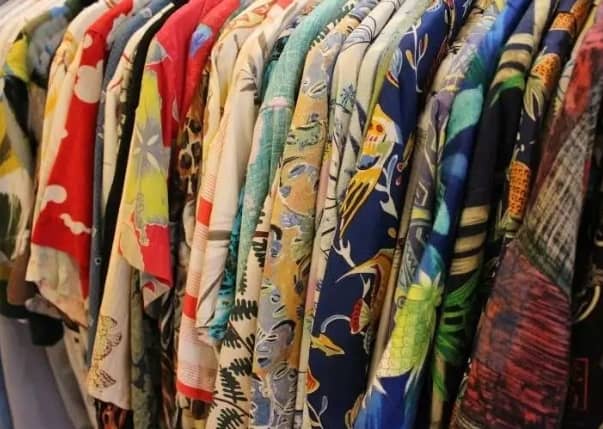
The Japan used clothes market offers a wide range of categories, including casual wear, business attire, outerwear, and accessories. Popular styles often include vintage pieces, Japanese street fashion, and luxury brand items. B2B importers should identify the preferences of their target market and select garments accordingly. For example, vintage and streetwear items are highly sought after in many international markets, while luxury brand second-hand items are perfect for high-end buyers.
Quality Control and Inspection Practices
Quality control is crucial when sourcing Japan secondhand clothes. Although many garments are in excellent condition, it’s important to inspect them for any signs of wear and tear, stains, or damages that could affect resale value. Establishing a reliable inspection process, either in Japan or upon arrival, will help ensure that only the best-quality garments make it to your customers.
6. Challenges in Importing Japan Used Clothes and How to Overcome Them
While importing Japan used clothes presents significant opportunities, it also comes with its challenges. B2B importers must be prepared to tackle potential obstacles such as language barriers, cultural differences, and navigating complex import regulations. This section will discuss these challenges and provide practical solutions for overcoming them.
Navigating Language Barriers and Cultural Differences
Language barriers can be a challenge when communicating with Japanese suppliers, as many may not speak English fluently. To overcome this, it’s helpful to work with a translator or bilingual agent who can facilitate clear communication. Understanding Japanese business culture and etiquette will also help build strong relationships and avoid misunderstandings during negotiations.
Understanding Import Regulations and Compliance
Each country has its own import regulations, and Japan used clothes may be subject to different rules depending on the destination country. It’s crucial for B2B importers to familiarize themselves with their local customs laws and any specific regulations regarding second-hand goods. Ensuring compliance will prevent delays, fines, or confiscation of goods.
7. Conclusion: Maximizing Profits from Japan Used Clothes
Importing Japan used clothes offers substantial opportunities for B2B importers to capitalize on the growing demand for sustainable fashion. By following best practices in sourcing, pricing, and logistics, and by understanding the unique dynamics of the Japan used clothes market, importers can maximize their profits and build a strong, sustainable business. With careful planning and strategic decision-making, your business can thrive in the competitive market of second-hand fashion.
Best Practices for Successful Importing
To maximize your success in importing Japan used clothes, it’s essential to establish strong supplier relationships, focus on quality control, and stay informed about market trends. By implementing efficient logistics, understanding the regulatory landscape, and negotiating favorable deals, B2B importers can ensure a smooth and profitable importing process.
Future Outlook for the Japan Used Clothes Market
The Japan used clothes market is expected to continue growing as global demand for sustainable fashion increases. B2B importers who strategically position themselves in this market, understand the nuances of sourcing quality garments, and stay ahead of trends will be well-positioned to take advantage of the expanding opportunities in this lucrative sector.